Some days you just want to sit down with a pen and let your hand wander. No big project, no pressure, no need to make anything perfect. Just lines on paper and a quiet moment to yourself.
That is exactly what these patterns are for. They are simple, repeatable, and forgiving. You can fill a whole page or just scribble one in the corner of your notebook while you are on a call.
I have put together 20 of my favorite patterns to draw when boredom hits. Each one is easy enough for a beginner, and most need nothing more than a black pen and a square piece of paper. Pick one, start small, and see where it takes you.
Interlocking Geometric Shapes
This is the pattern I reach for when my brain feels scattered. You draw simple shapes like squares, triangles, and diamonds, then let them lock into each other like puzzle pieces.
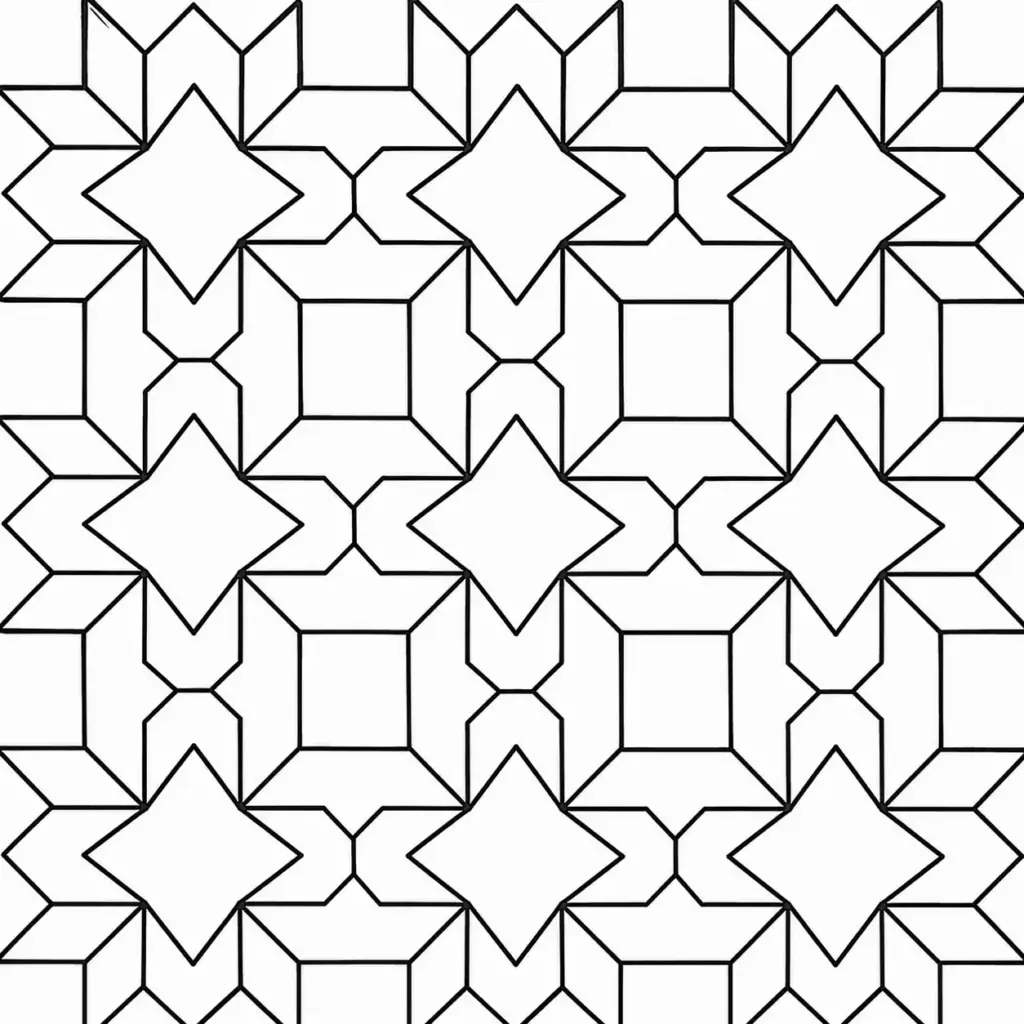
The fun part is that there are no mistakes here. A wonky line just becomes part of the design, and the whole thing starts to look intentional the moment you repeat it a few times.
Tiny Stars, Moons, and Clouds
A sky-themed doodle is one of the most relaxing things to fill a page with. You sprinkle little stars, crescent moons, and puffy clouds across the paper in a loose grid.
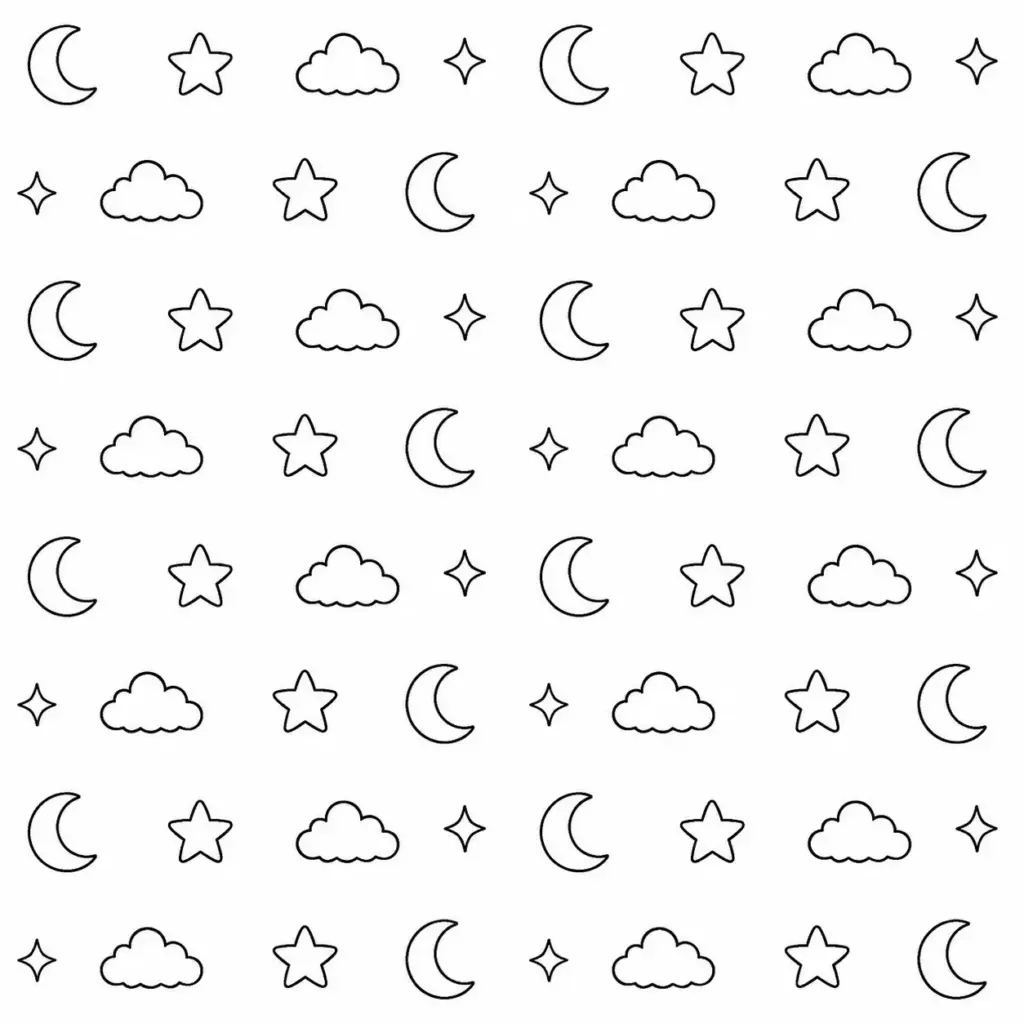
It works because every shape is tiny and quick. You are not committing to anything big, just adding one small thing at a time until the page feels full and calm.
Zentangle Swirls and Dots
Zentangle is the art of filling a space with small repeated marks, and it is basically meditation with a pen. You start in one corner with swirls, dots, and curved lines, then keep going until the square is packed.
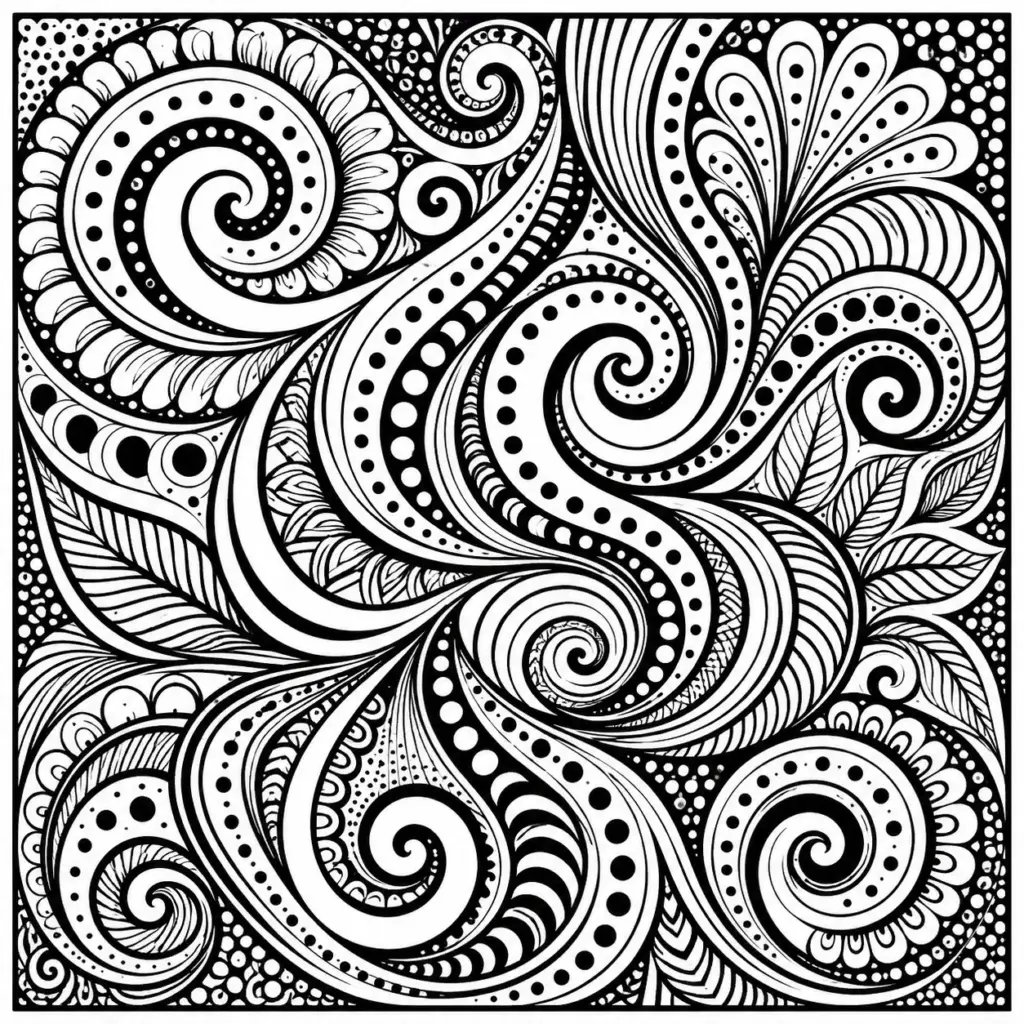
There is no plan and no end goal. You just react to what is already on the page, and that is what makes it so easy to lose an hour without noticing.
Simple Eight-Petal Mandala
A mandala looks impressive but the basic version is surprisingly easy. You start with a center dot and build eight matching petals around it, then add small details to each one.
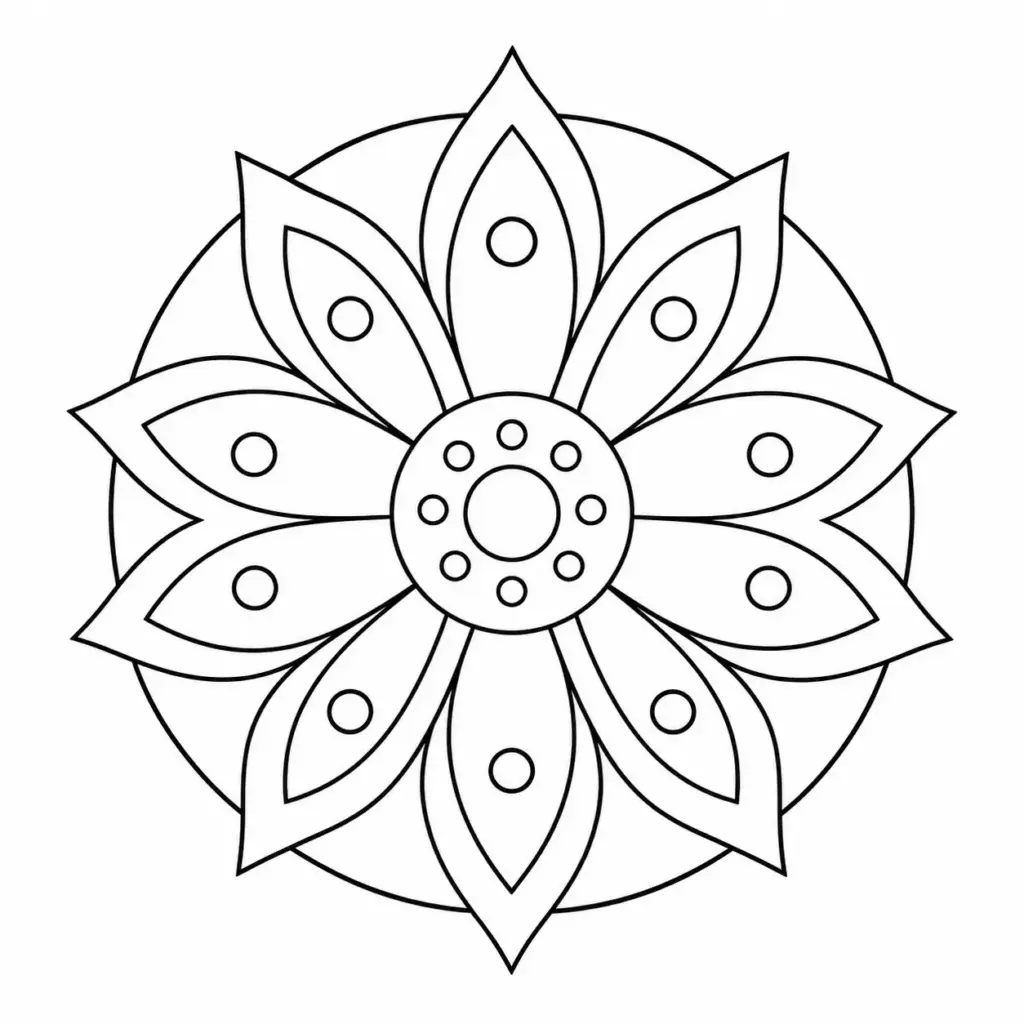
The symmetry does a lot of the heavy lifting. As long as you repeat the same little shape eight times, it ends up looking balanced and finished even if your lines are not perfectly even.
Ocean Wave Ripples
If you like flowing lines, this one feels great to draw. You make rows of gentle curves that overlap like waves rolling toward the shore.
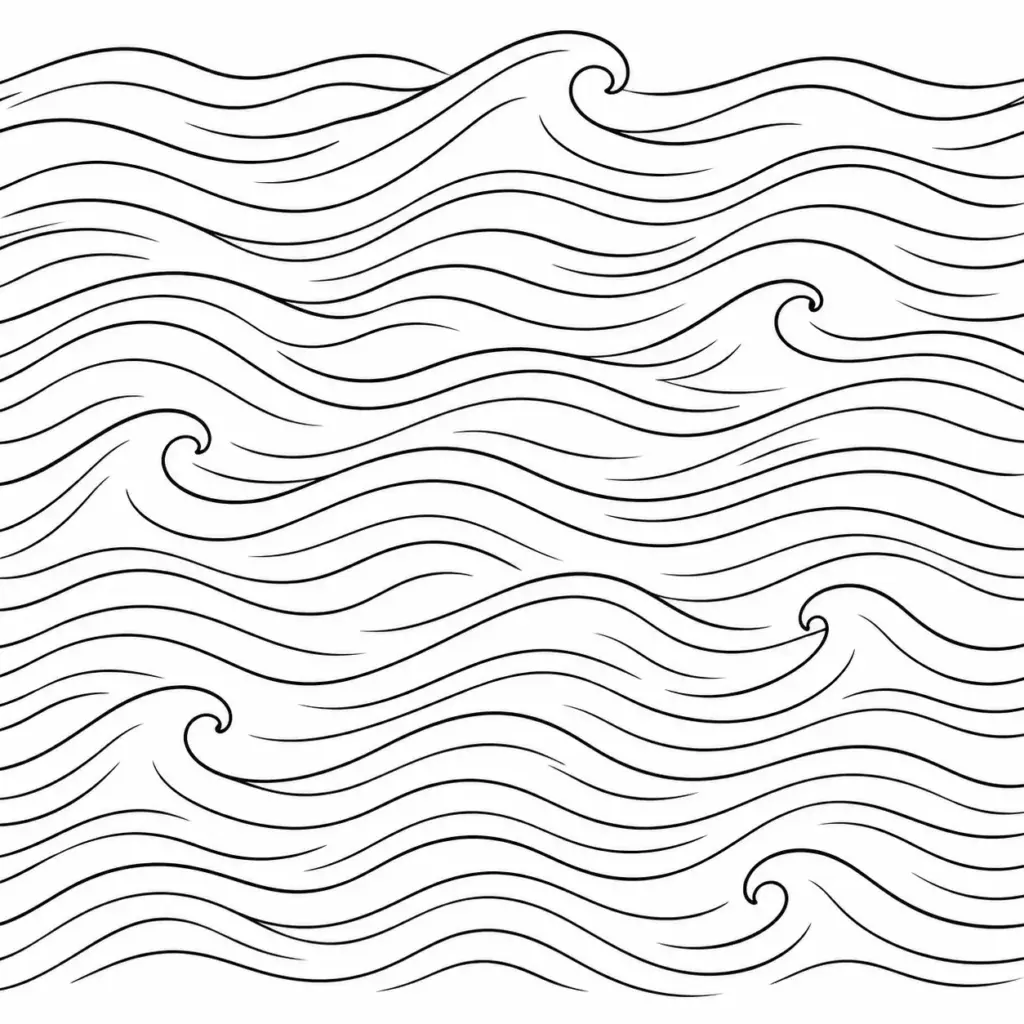
The trick is to keep your wrist loose and let the lines breathe. Some waves can be tall, some can be flat, and the uneven rhythm is what makes it look like real water.
Flower of Life Circles
This is the pattern made from overlapping circles that form a flower shape in the middle. It looks complicated, but it is just one circle repeated over and over with a little spacing.
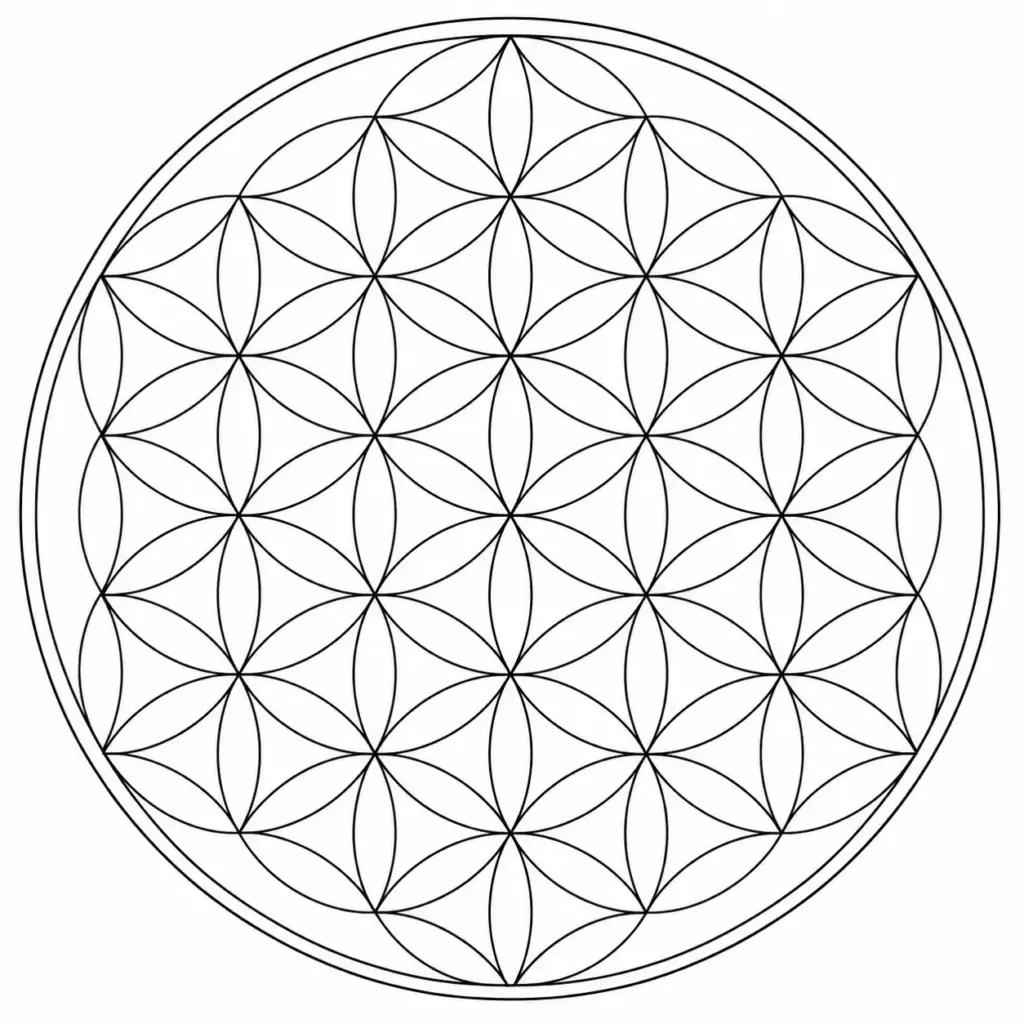
A compass helps if you want it neat, though freehand gives it a softer, handmade feel. Either way, the overlaps create new shapes you did not plan, which is half the fun.
Botanical Leaves and Vines
When I want something a little softer, I draw leaves and vines winding across the page. Small leaves, curling stems, and the odd tiny flower scattered between them.
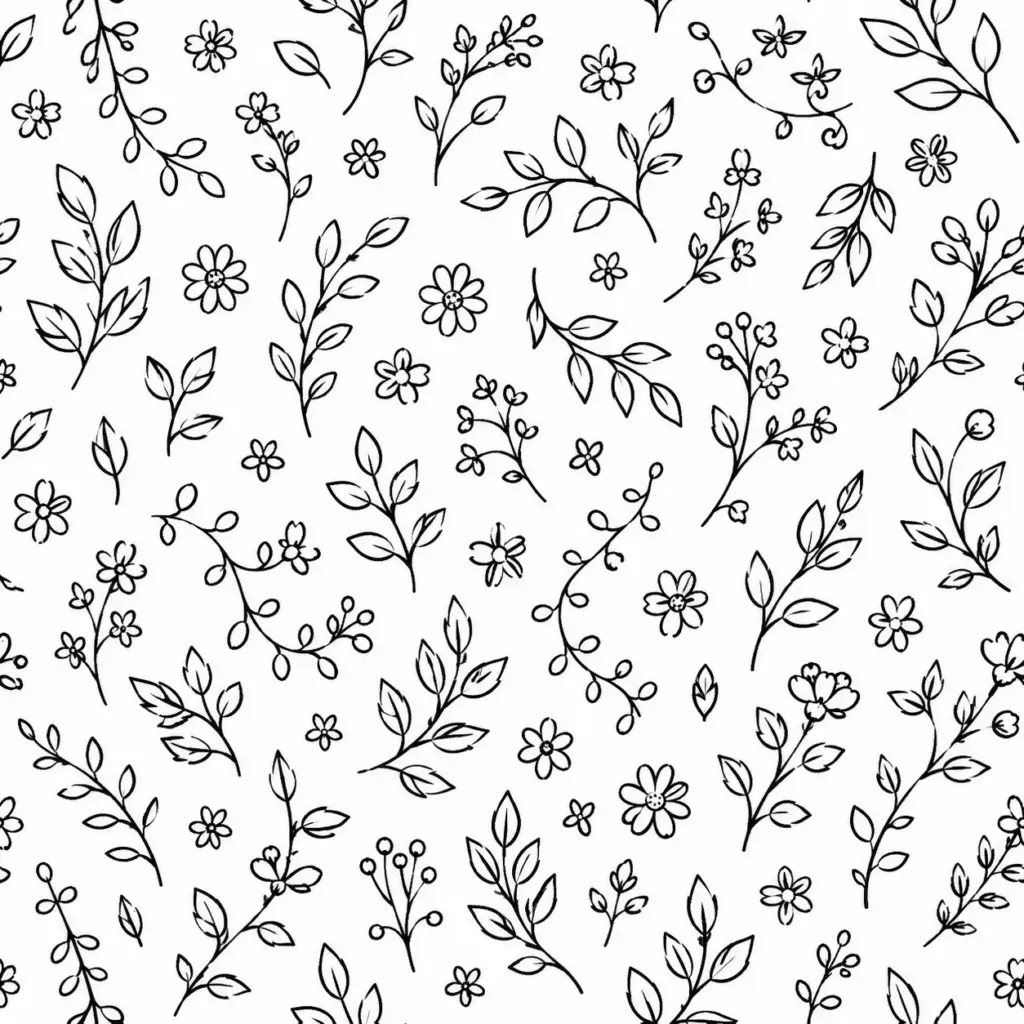
You do not need to be good at drawing plants for this. A leaf is just a teardrop with a line down the middle, and once you have a few, the whole thing reads as a garden.
Grid of Textured Boxes
This one is great for warming up. You draw a simple grid of squares, then fill each box with a different little texture like dots, stripes, zigzags, or tiny circles.
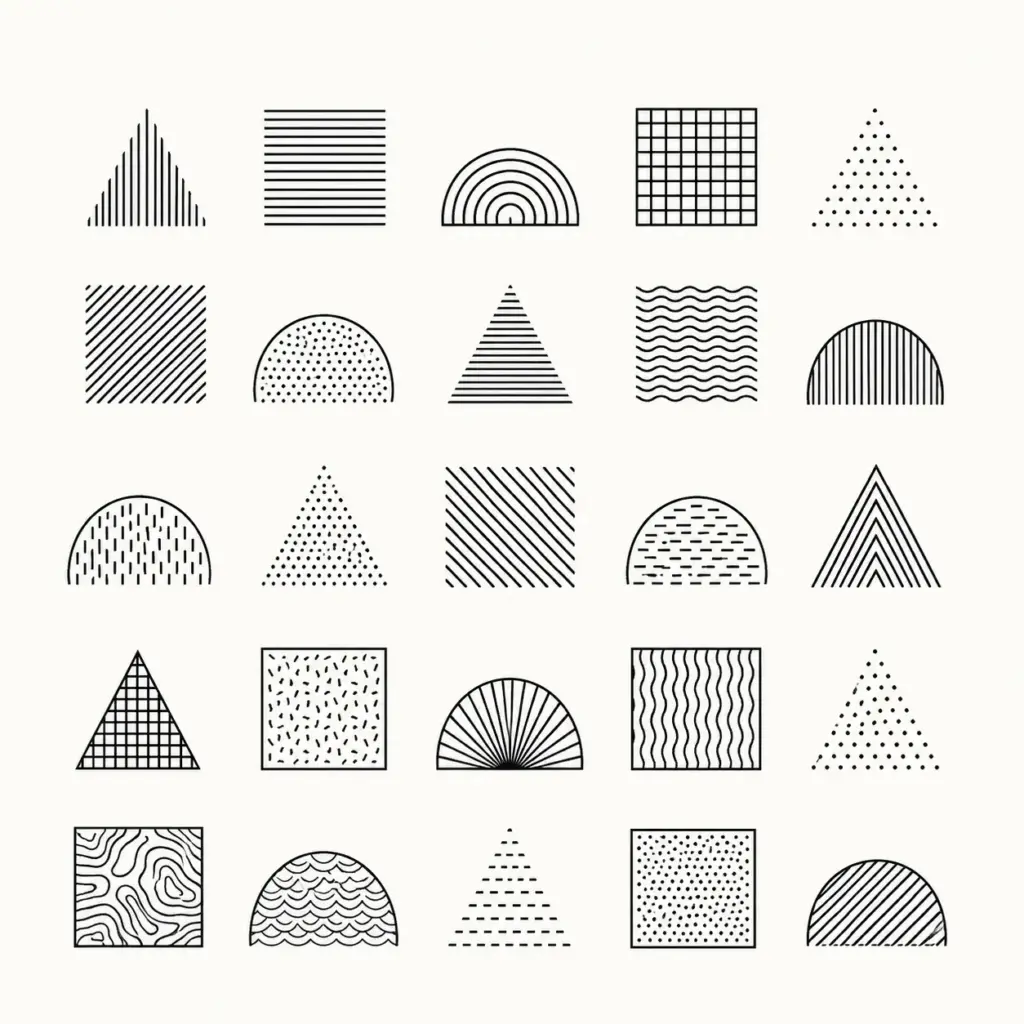
It feels satisfying because every box is its own tiny finished thing. You can do one box, set the pen down, and come back later without losing your place.
Continuous Squiggle Maze
For this pattern you never lift your pen. You draw one long, winding squiggle that loops and folds back on itself until it fills the page like a maze.
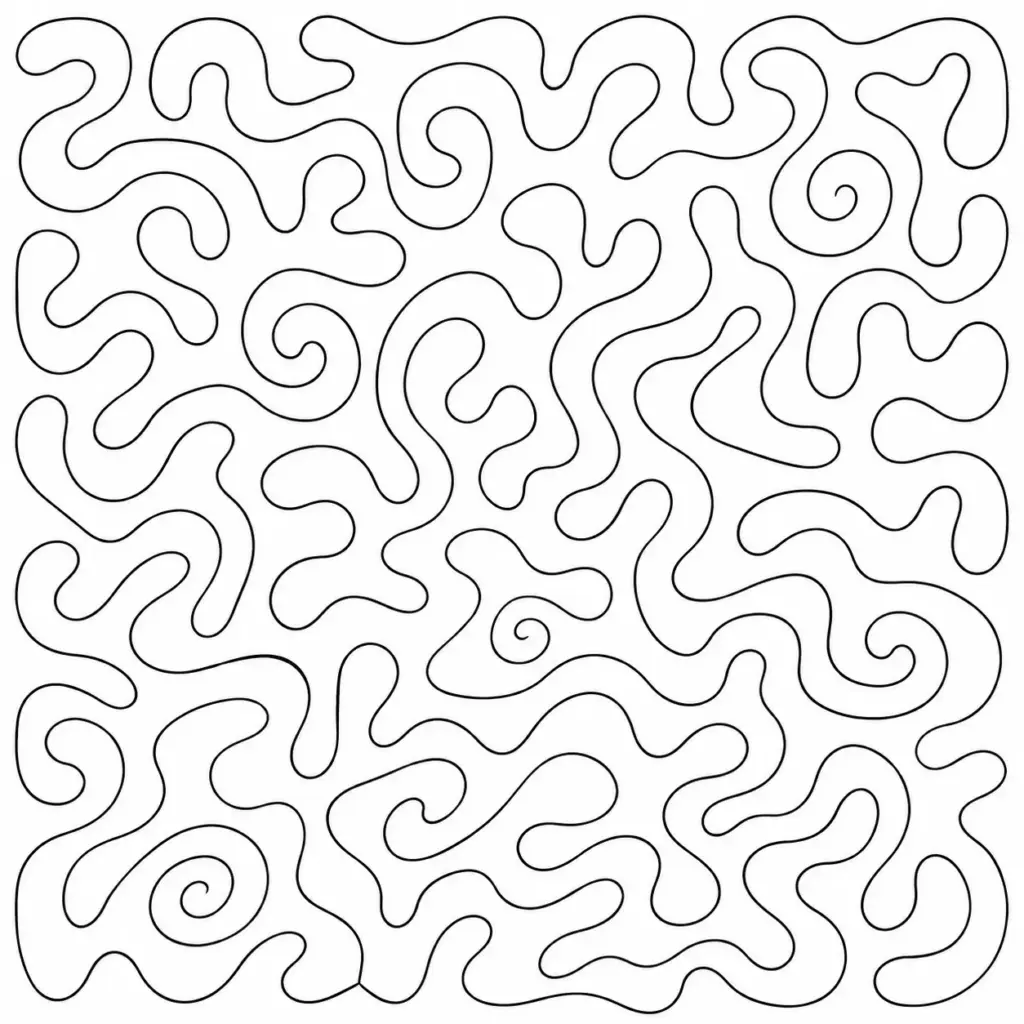
It is oddly calming because there is no decision-making involved. Your hand just keeps moving, and the lines naturally avoid each other to create a tangled, organic shape.
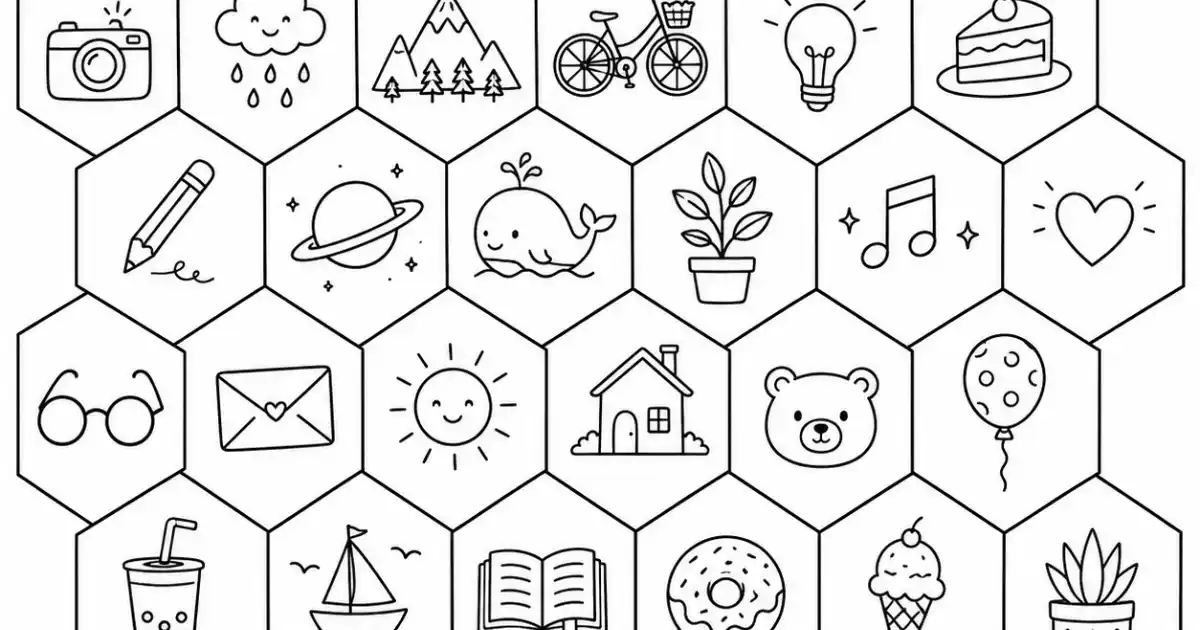
Honeycomb Hexagons
A honeycomb is just a grid of hexagons sitting side by side. Once you have the shape down, you can leave the cells empty or drop a tiny doodle into each one.
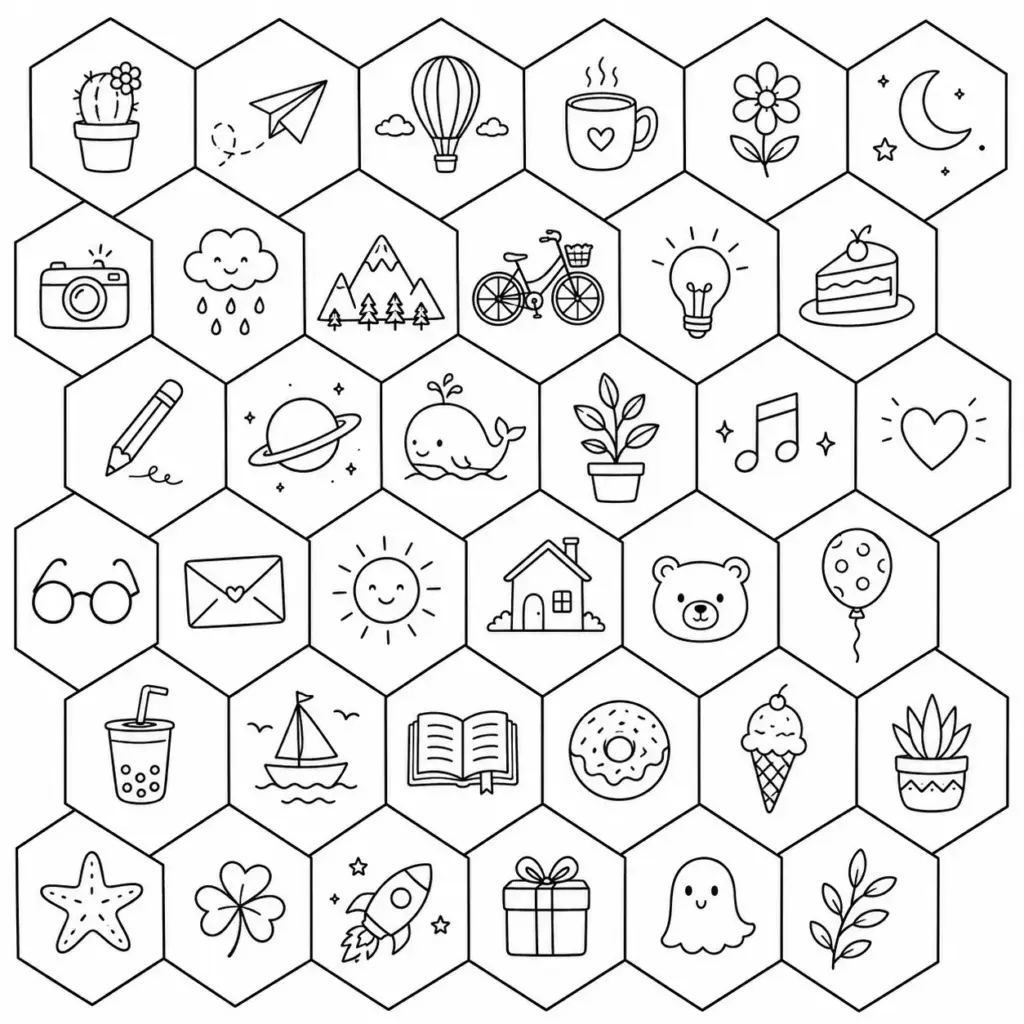
I like to fill some cells and leave others blank. The mix of busy and empty space keeps the whole thing from feeling too heavy.
Paisley Teardrops
Paisley is that classic curved teardrop shape with swirls inside. It shows up on scarves and fabric, and it is genuinely fun to draw by hand.
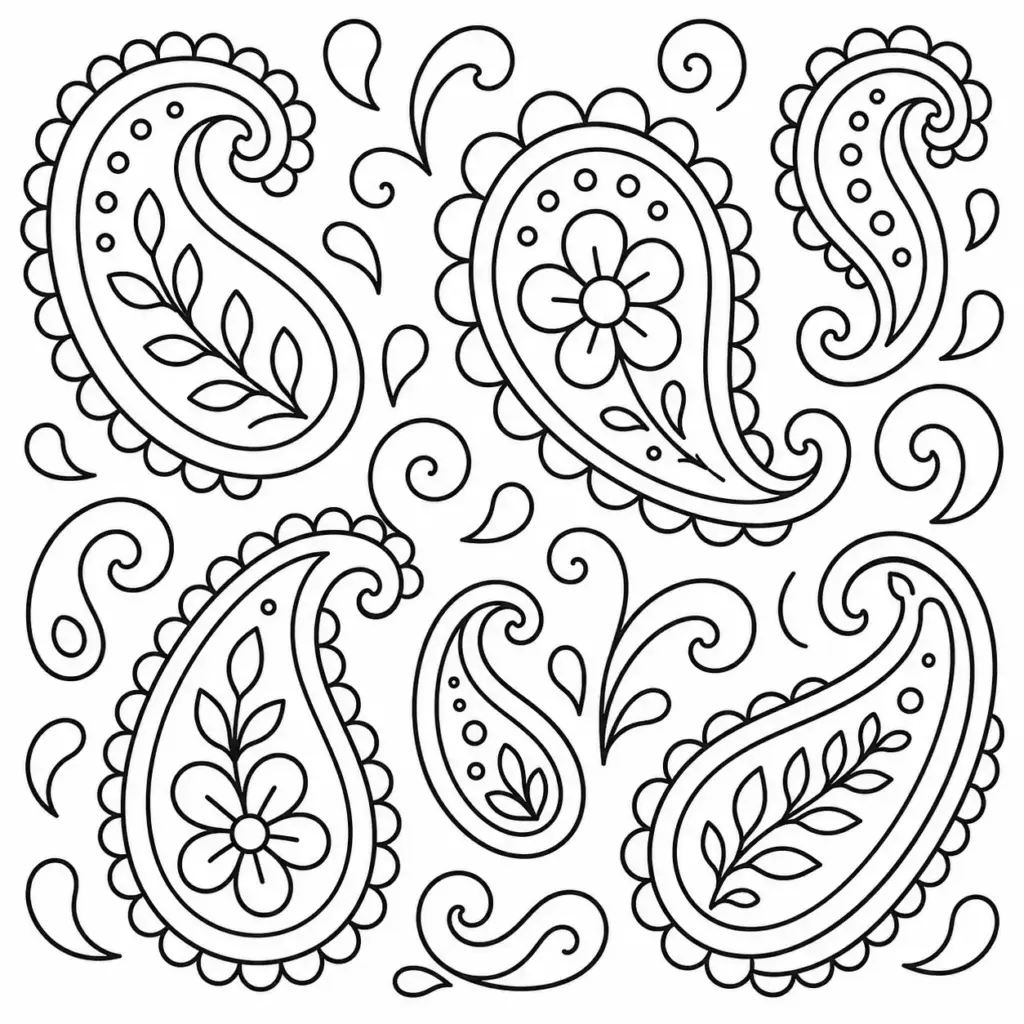
Start with the outer teardrop, then fill it with dots, lines, and little curls. You can pack them tightly across the page or let a few float on their own with space around them.
Geometric Mountains and Trees
This is a cozy little landscape pattern. You stack simple triangle mountains in rows and dot a few pine trees between them.
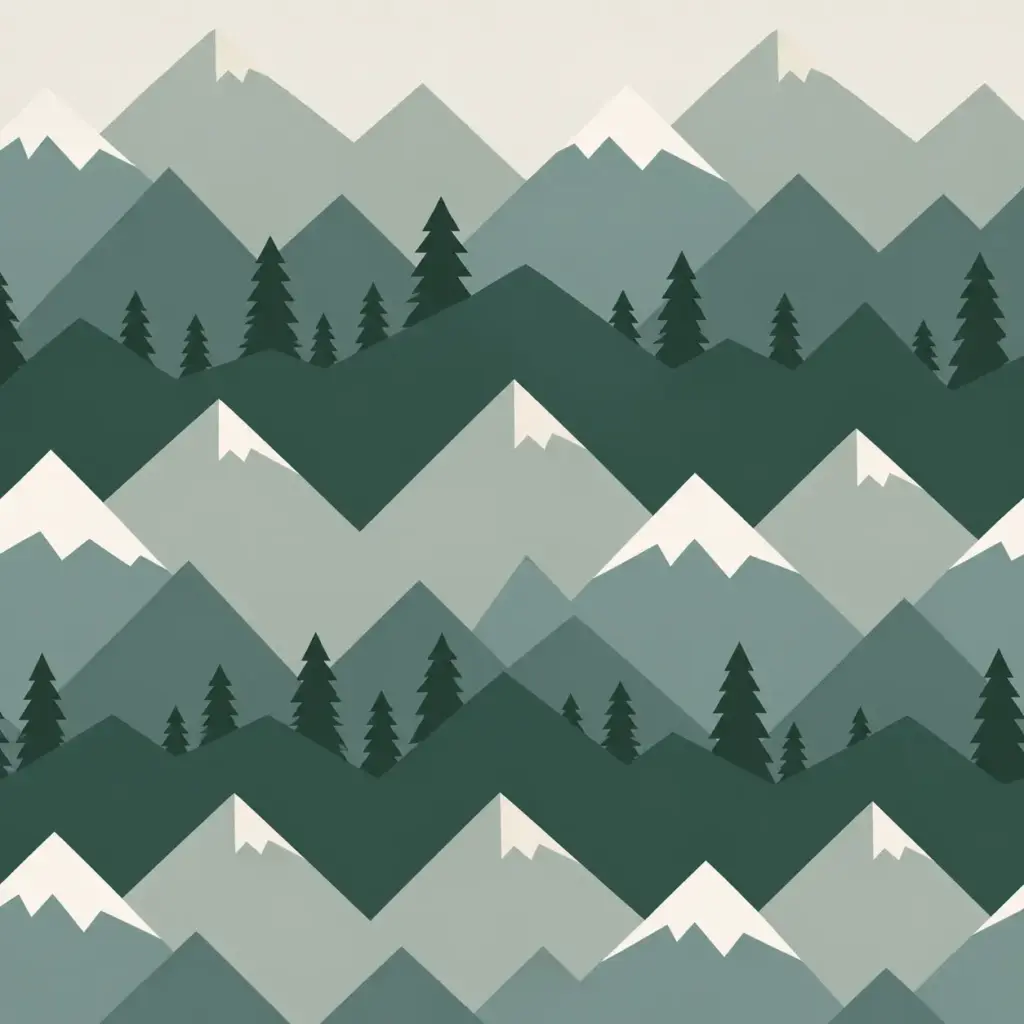
It works as a repeating band across the top of a page or as a full scene. The straight lines make it quick, and the shapes are simple enough that kids enjoy this one too.
Dots and Dashes in Diagonal Rows
Sometimes the simplest pattern is the most relaxing. You draw rows of dots and short dashes running diagonally across the page in a steady rhythm.
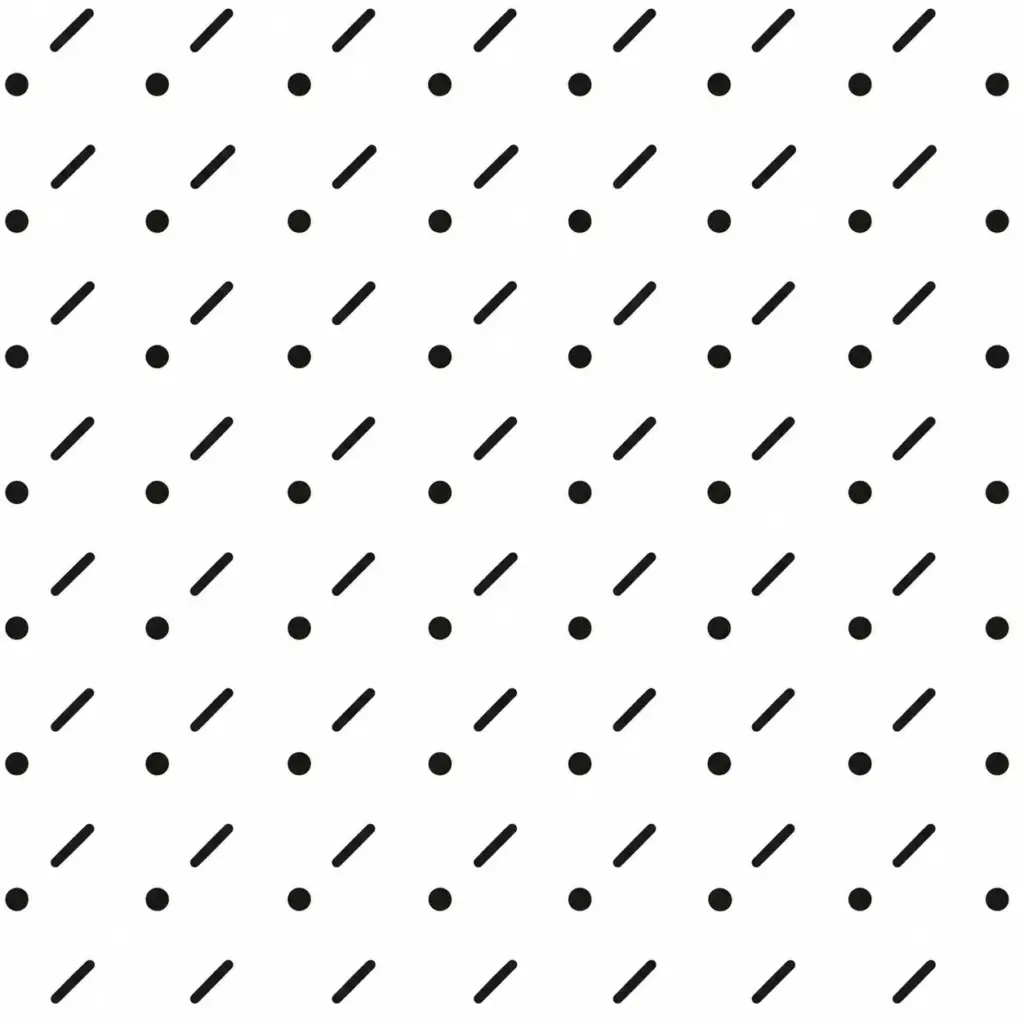
There is something hypnotic about it. The repetition gives your hands a gentle task while your mind drifts, which is exactly what a boredom doodle should do.
Art Deco Fans
Art deco patterns have a clean, vintage feel. This one uses repeated semicircles, like little fans or rainbows, lined up in neat rows.
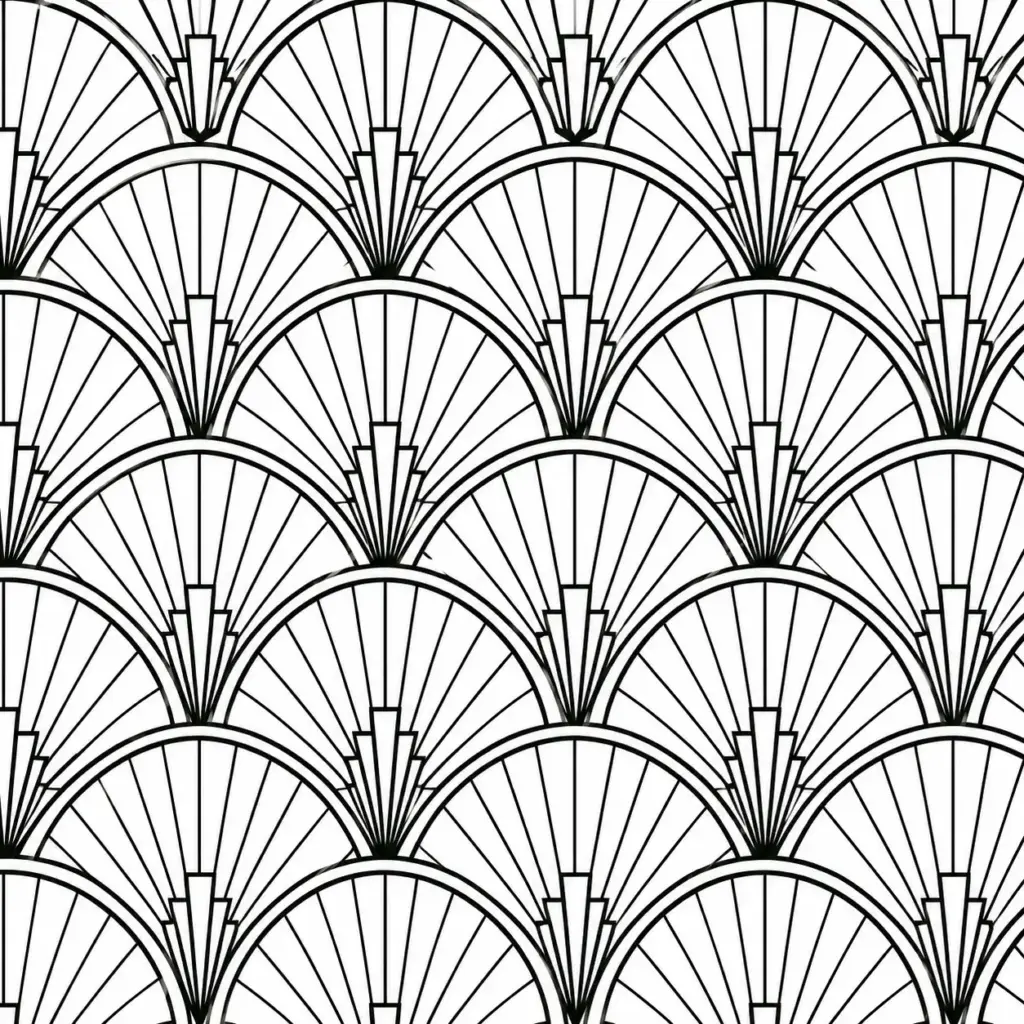
You can add a few straight lines inside each fan for detail. The symmetry makes it look polished, and the rows build up fast so you see progress quickly.
Tiny Food Doodles
If you want something cute and lighthearted, fill a page with tiny food. Donuts, ice cream cones, coffee cups, and little cherries all work well.
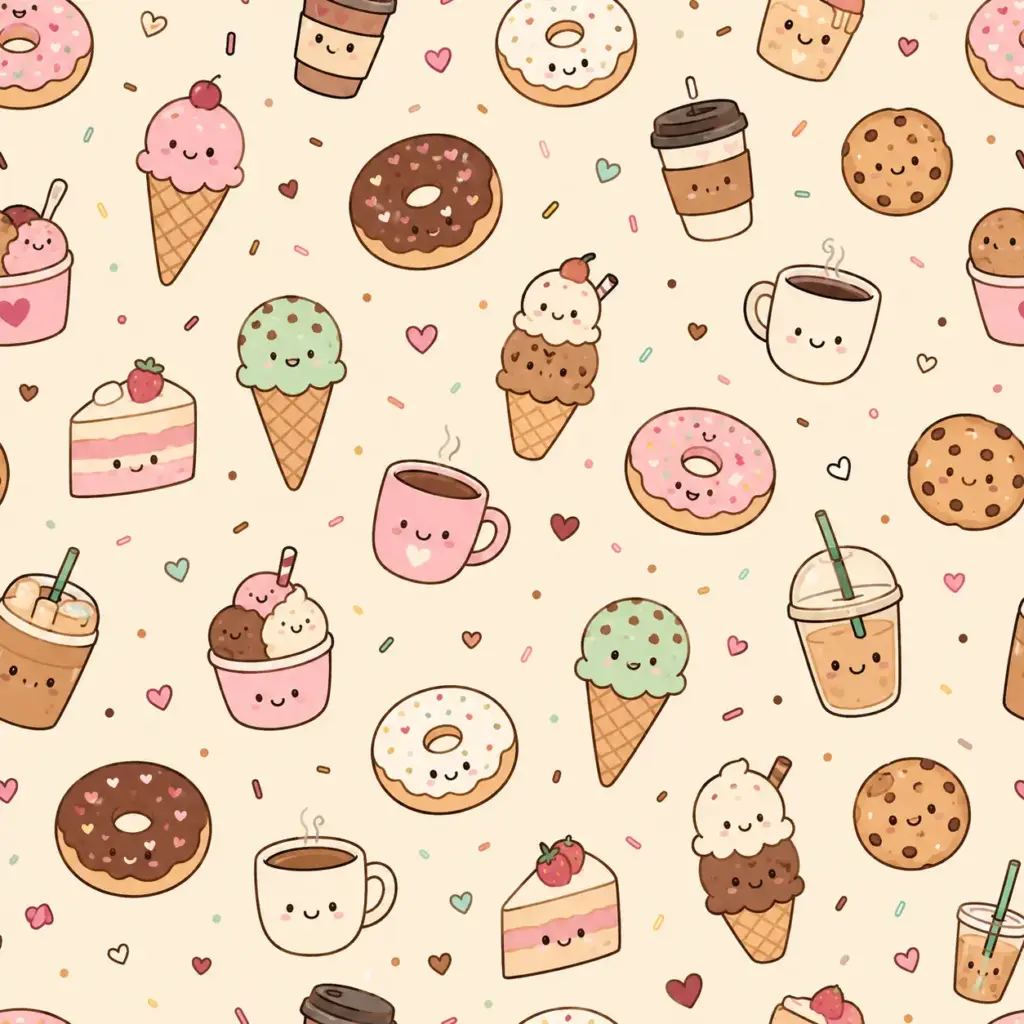
Each item is small and rounded, so it is easy to draw and hard to mess up. Scatter them across the page and you have a sweet little collection in no time.
Outward Spiral
A spiral is one of the most natural things to doodle. You start with a dot in the center and slowly circle outward, keeping the spacing as even as you can.
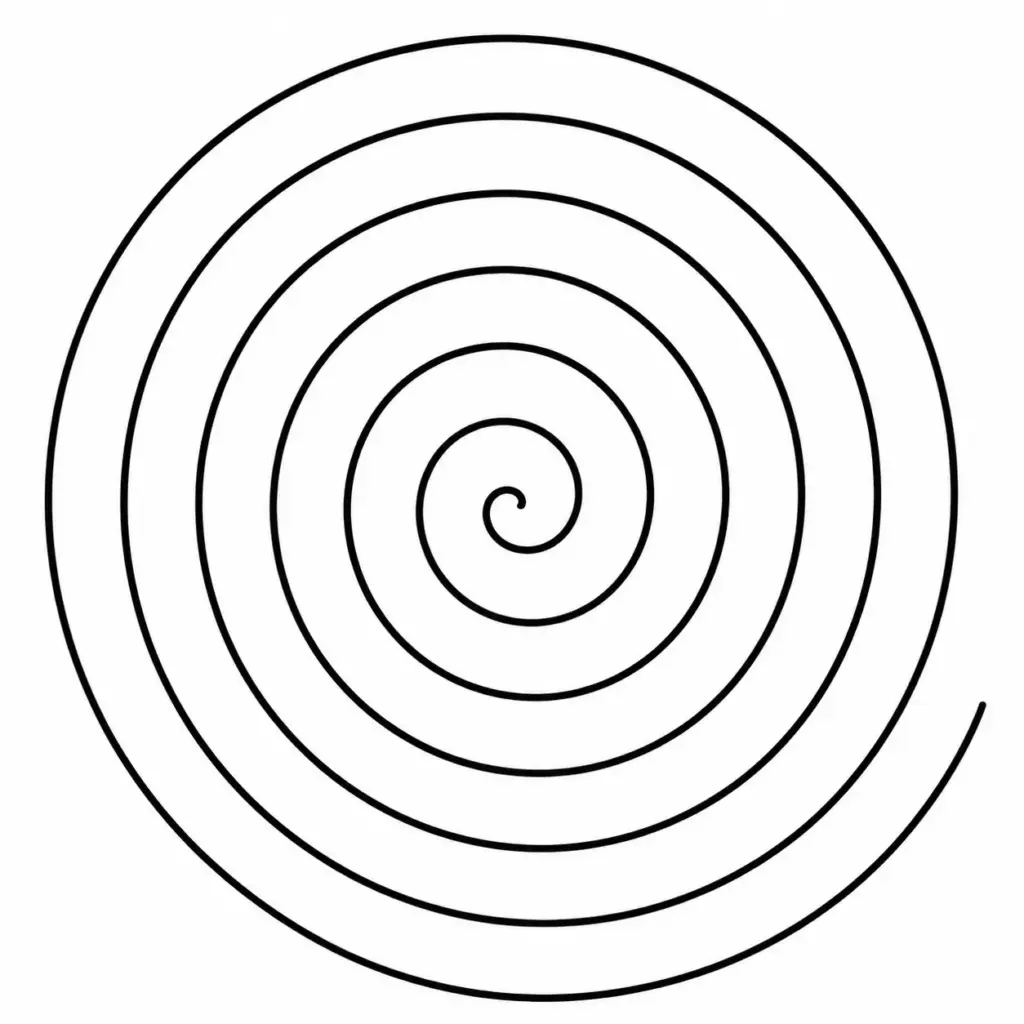
You can stop with a single clean spiral or add a second one beside it. Filling the gaps between spirals with tiny marks turns it into a fuller, more detailed piece.
Triangle Tessellation
A tessellation is a pattern where shapes fit together with no gaps. Triangles are the easiest place to start, since they lock together so neatly.
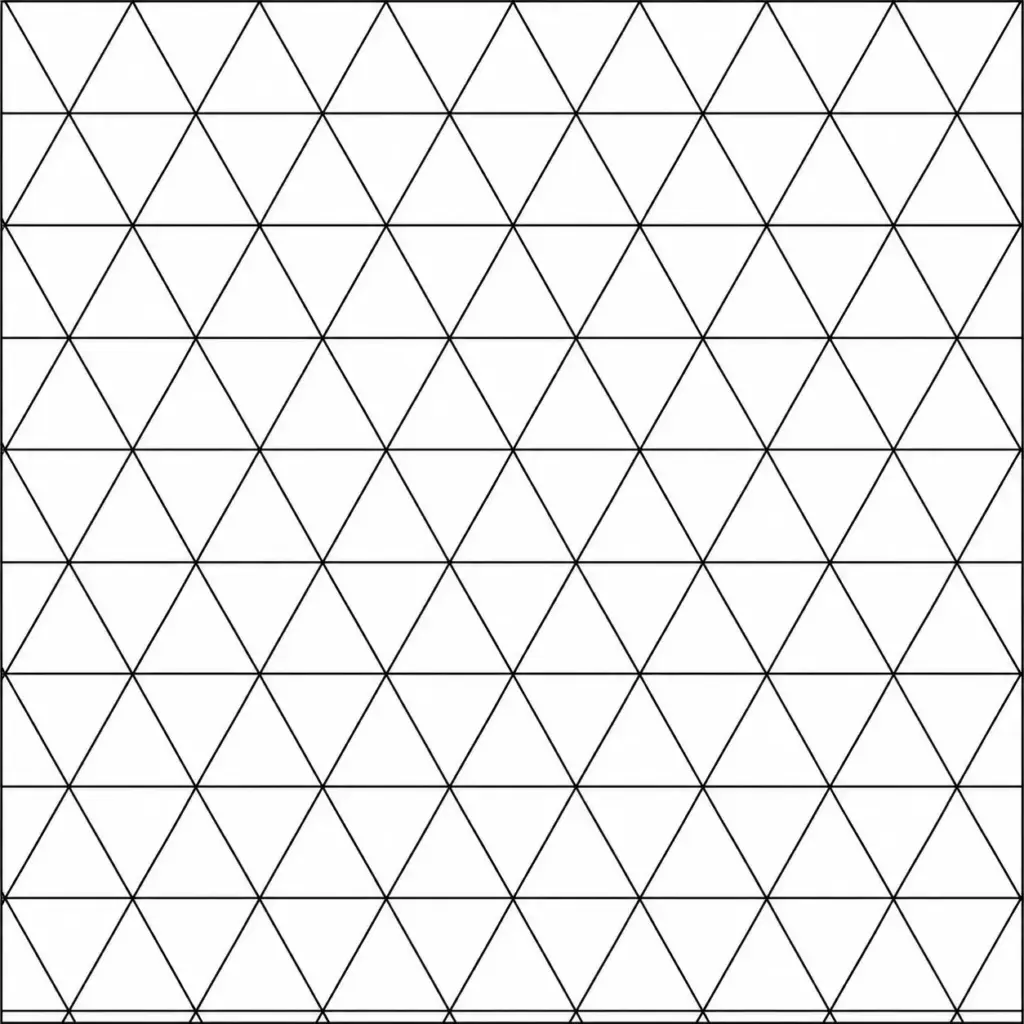
A ruler helps here if you like crisp edges. Once the grid is down, you can shade alternating triangles to make a 3D effect pop out of the page.
Soft Clouds and Raindrops
This is a gentle, rounded pattern that feels very low-pressure. You draw soft clouds with little raindrops falling underneath them, repeated across the paper.
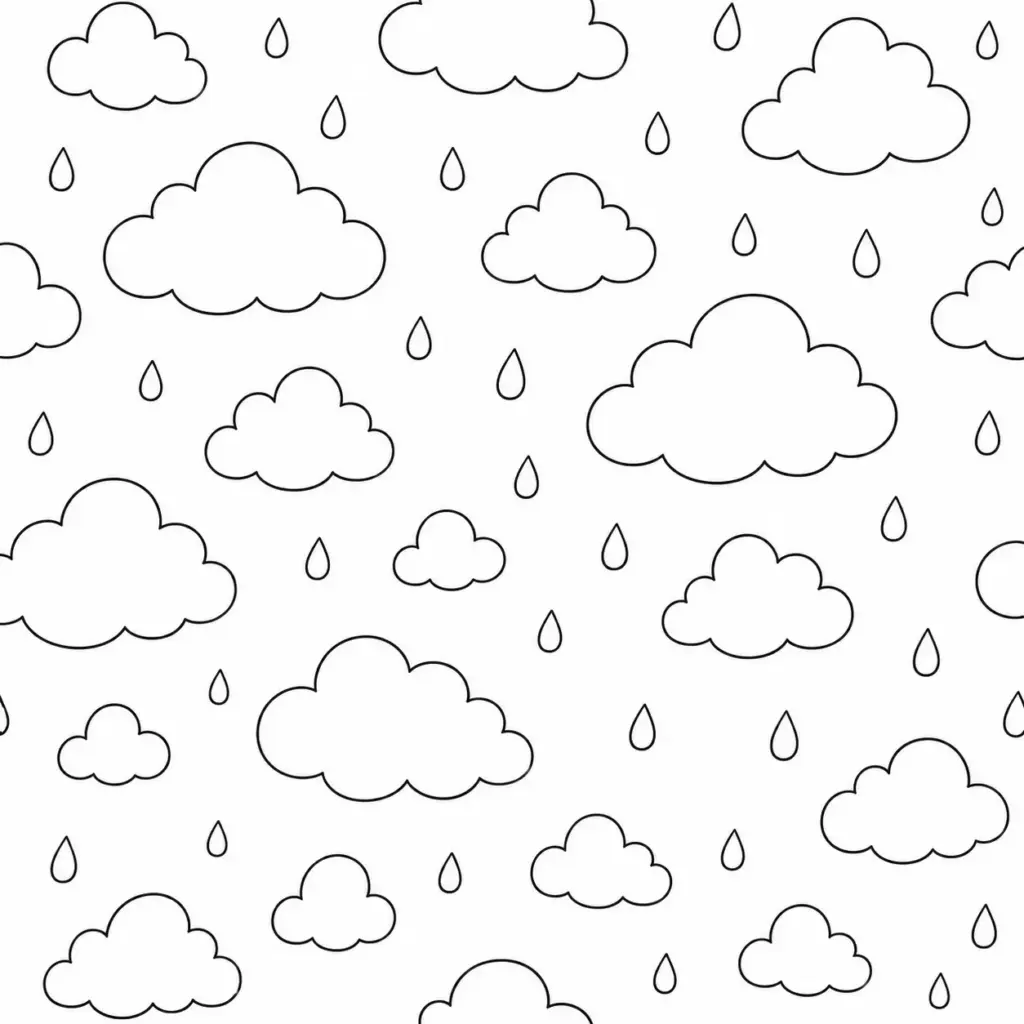
The shapes are all curves, so there is nothing sharp to get right. It is a good one for slow afternoons when you want something easy and a bit dreamy.
Celtic Knot Border
Celtic knots look intricate but they follow a simple over-and-under logic. You weave loops together so the lines appear to pass through each other.
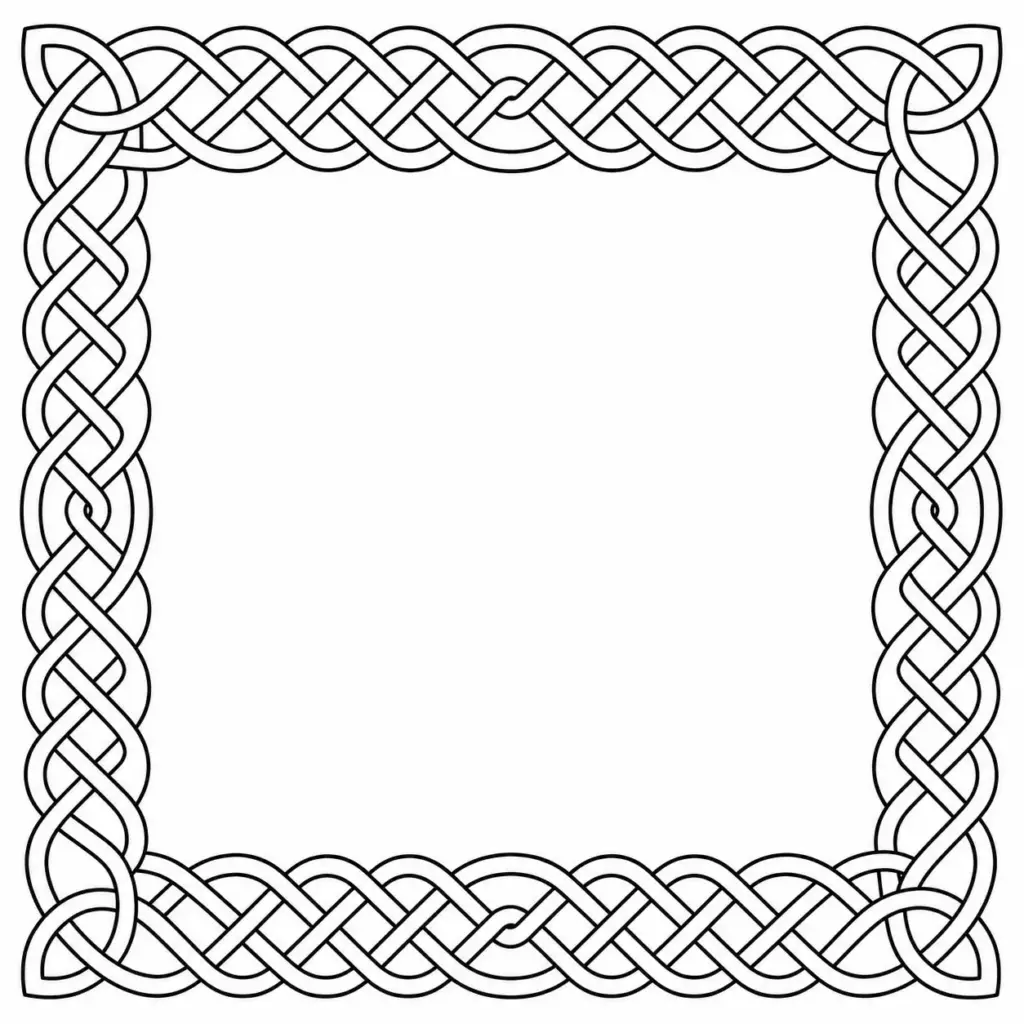
I like drawing these as a border around the edge of a page. Take it slow, follow the weave, and the finished knot looks far more impressive than the effort it actually took.
Scattered Squiggles and Marks
When I cannot decide what to draw, I default to this. Random squiggles, dots, short lines, and tiny shapes scattered loosely across the page with no plan at all.
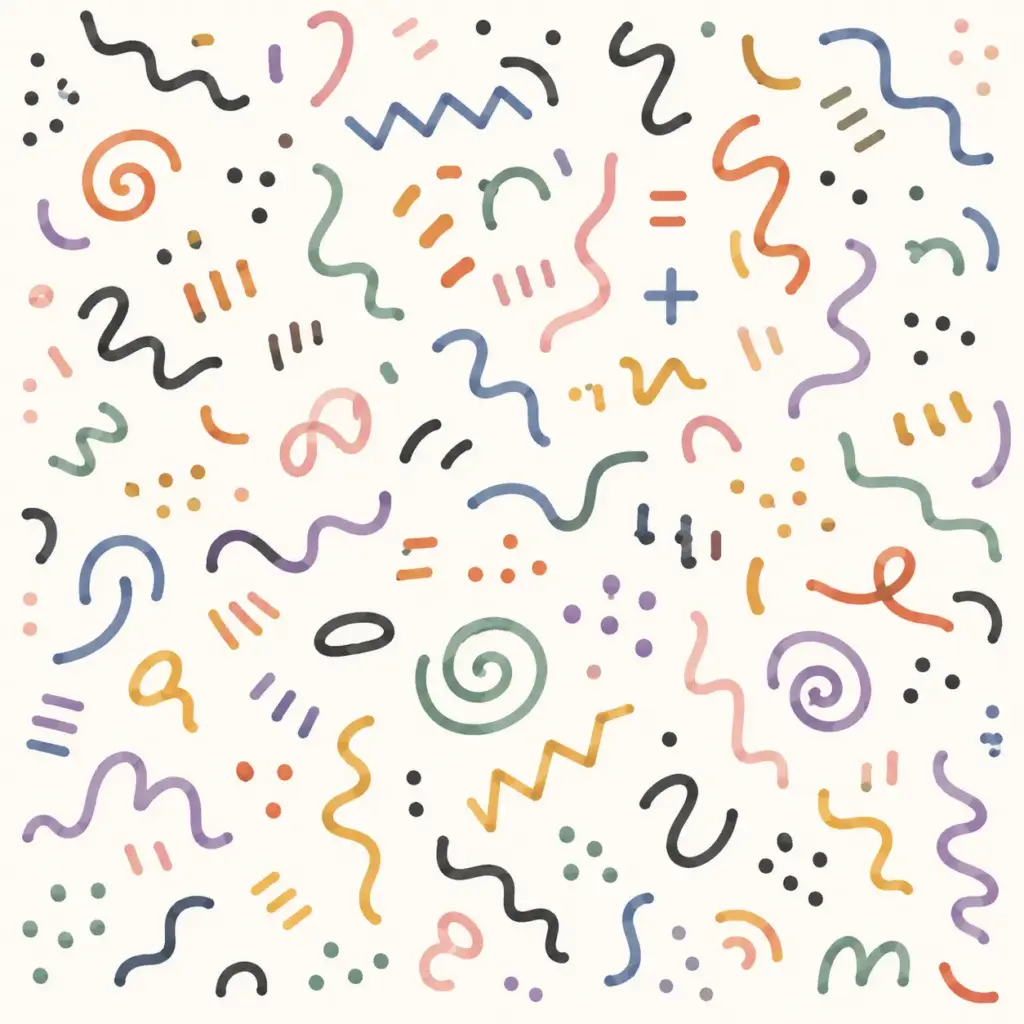
It is the ultimate warm-up doodle. There are no rules, nothing to get right, and it loosens up your hand for whatever you want to draw next.
Make It Your Own
The best thing about these patterns is that none of them need to be perfect. They are meant to be drawn slowly, with no pressure and no audience.
Pick one that matches your mood today and just start. Once your pen is moving, the boredom tends to fade on its own, and you might end up with a page you actually want to keep.